


Netafim
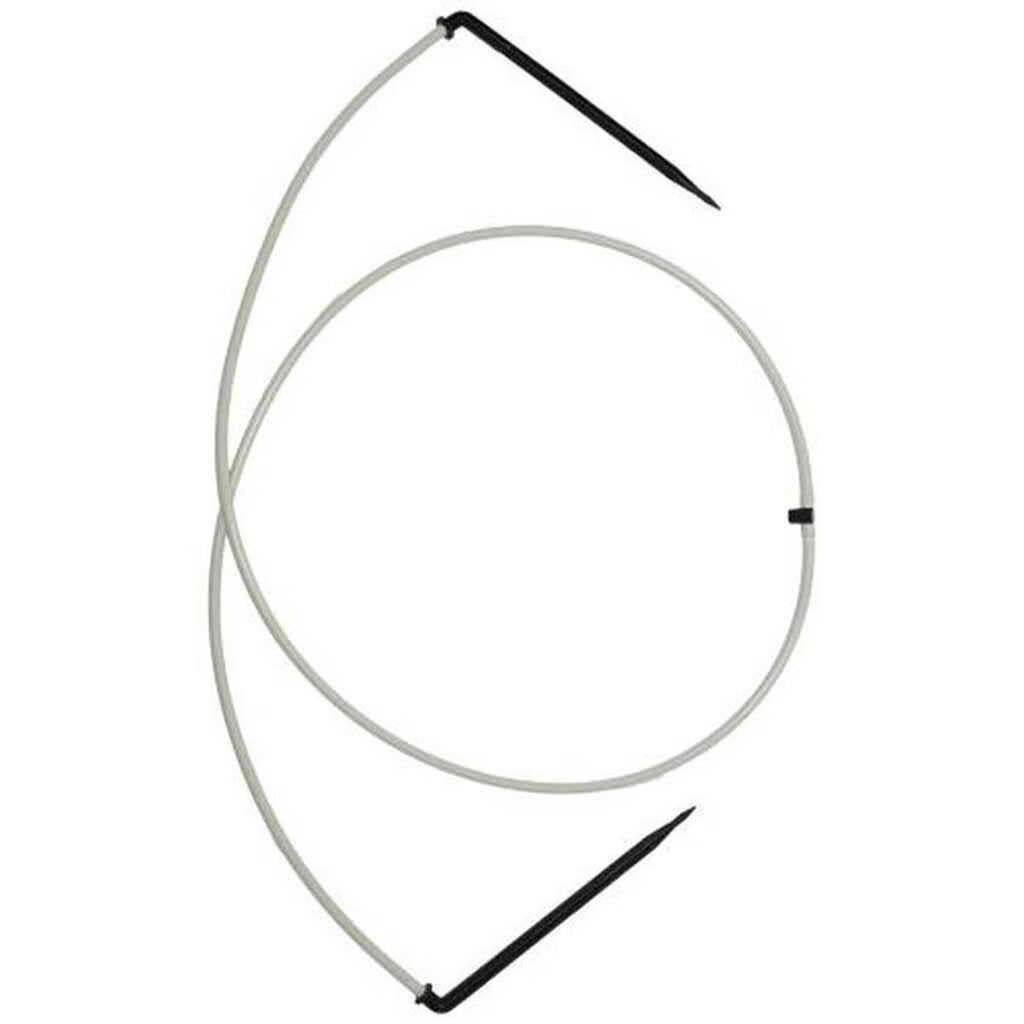
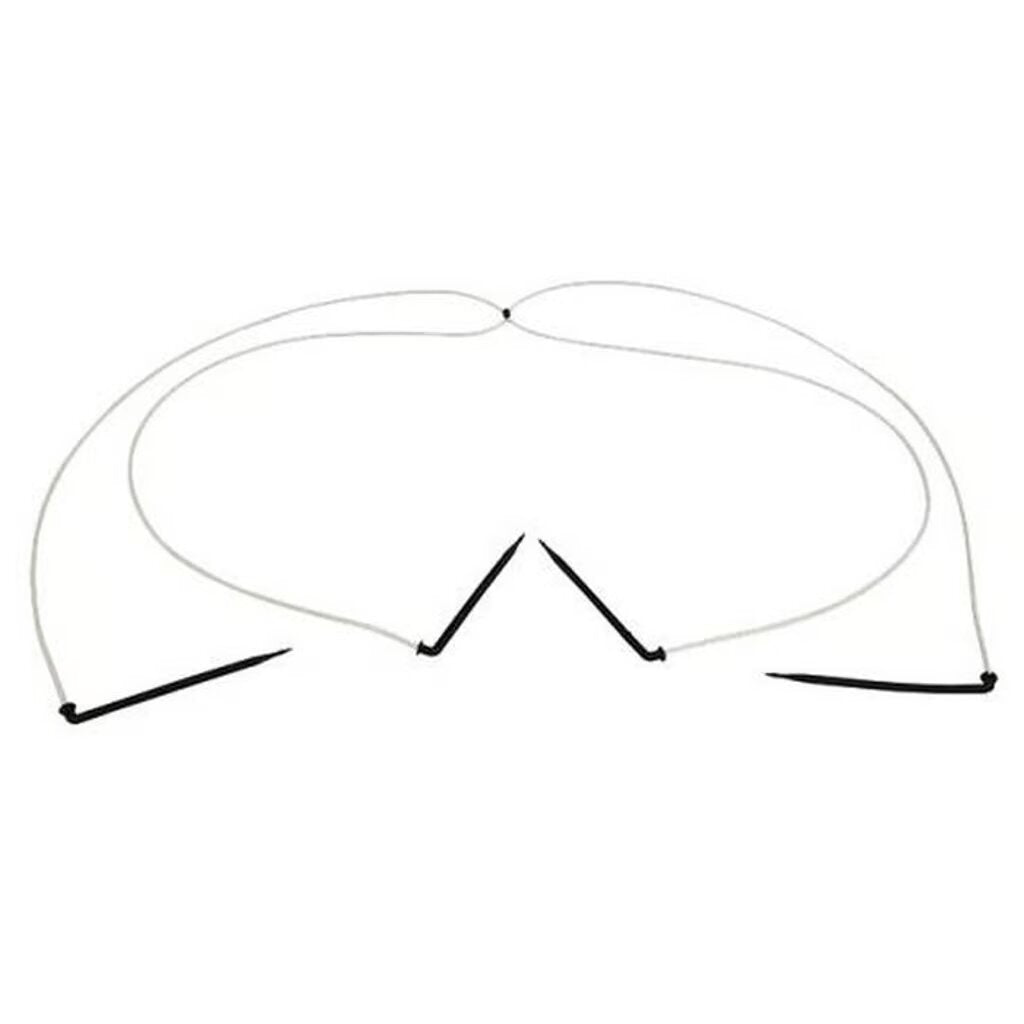
Netafim Flat MOD Manifold with Drip Stakes & Tubing - Pack of 25
Netafim Flat MOD Manifold with Drip Stakes & Tubing - Pack of 25
Out of stock
Couldn't load pickup availability
Payment options
MOD Assemblies deliver superior uniformity and higher plant values.
Multi-Outlet Drippers (MOD)
With the growing demands of today’s high production scale operations, hand watering is no longer a viable option. An automated Netafim MOD watering system is the perfect solution. This results from having a highly uniform top-quality crop – which is what to expect when water and fertilizer uniformity are improved.
Water on foliage and flowers can spread disease rapidly. By applying water directly to the pot, the rest of the plant remains dry. Additionally, pesticides which are applied to the foliage are not washed off by daily watering. This can reduce the need for spraying – further lowering production costs – and decrease run-off contamination. Payback for a complete system is usually within the first season of operation. The chart to the right shows just how quickly your Netafim MOD system will start paying you back.
What Comes Included?
- Flat MOD Manifold - Choose one of
- 2-Way Flat MOD
- 4-Way Flat MOD
- 4-Way Stackable Flat MOD
- Super Flex White Polyethylene Tubing
- Fully UV resistant and completely opaque to prevent algae growth. This tubing is not coated or layered white; it is solid white for long-term durability. Netafim’s UV White™ PE Tubing produces cooler water temperatures and enhances plant growth.
- Drip Stake
- Standard Angle Arrow Dripper - The Standard Angle Arrow Dripper is 6 3/8” in length and is used for large pots.
- Short Angle Arrow Dripper - The Short Angle Arrow Dripper is 3 3/4” in length and is ideal for 4” to 5” pots.
*Flat MOD Manifold comes in Pack Qty of 25
Note: The Flat MOD Manifold packs DO NOT include the Woodpecker Drip Emitters. They are sold separately. For a complete assembly, combine the Flat MOD Manifold with one Woodpecker PC Junior Dripper
Netafim Woodpecker Pressure Compensating Junior Drip Emitter
These drip emitters connect your main drip line to the Flat MOD Manifold
The Netafim PCJ Drip Emitter, or "Woodpecker Jr." is the world's leading pressure compensating dripper both in quality and number of installations. The advanced PC design of the Netafim emitter gives a uniform and accurate flow rate over a wide range of input pressures. A built-in CNL check valve shuts off flow when pressure drops below a preset value, preventing lines from draining to their lowest point. Finally, the precision-molded flow channel is highly resistant to clogging. Use Netafim PCJ drippers when you need accurately controlled water application.
- Flat 4-Way manifold is usually combined with the 2.0 GPH WPCJL Dripper - 0.50 GPH per plant.
- Flat 2-Way Stackable manifold is usually combined with the 1.0 GPH WPCJL Dripper - 0.50 GPH per plant.
Product Advantages
- Manifold Versatility: When many small pots are to be watered, two manifold assemblies can be stacked together to create an 8-Way assembly. The flow per pot is then 0.25 gallons per hour (GPH). For every 10 gallons per minute (GPM) available, 2,000 pots can be watered.
- Flexible and Portable: The flat manifold separates for easy storage or transport in a box or bundle. The dripper supply tubing (with the dripper attached) can then be rolled up without tangling the spaghetti tubes. If a different plant spacing is desired, simply change the manifold.
Why Multi-Outlet Drippers?
The Flat MOD is a labor-saving drip system for watering potted plants
Netafim’s MODs feature both pressure compensation and a built-in check valve. This combination of features (referred to as PCNL) is the highest level of technology available in drippers today. It ensures that every plant will receive exactly the same amount of water and fertilizer regardless of where the plant is located within the system. Each dripper adjusts itself automatically to the system pressure and elevation so that even on rolling or sloped ground, the uniformity of watering is 94%. The built-in check valve prevents unwanted drainage of the system onto the lowest plants when the watering cycle is completed.
- Fast Delivery
- Easy Returns
- Secure Checkout
Share
INFORMATION QUESTIONS
FREQUENTLY ASKED QUESTIONS
What is Hydroponics?
Hydroponics is the science of growing plants without soil. The plants thrive on the nutrient-water solution alone. The growing medium merely acts as a support for the plants and their root systems while the solution passes freely. The growing medium, if any, is totally inert.
What types of plants grow best hydroponically?
Anything can be grown hydroponically, but some plants prove to be more space efficient. Some plants we suggest are tomatoes, sweet peppers, hot chilies, lettuce, spinach, squash, cucumbers, broccoli, beans, snow peas, herbs and flowers of all types.
Can you REALLY get better yields/quicker growth?
Absolutely. The plants, when receiving everything they need, tend to be healthier, faster growing and generally more productive. You can expect 30% faster growth with many crops.
What are the watering cycle timelines hydroponic systems?
Once the reservoir is filled with nutrients, it is time to put your hydro system to work! The ease of hydroponics is automation – automation is achieved by putting the pump on a timer according to your watering needs. The watering cycle depends on growth stage, growing medium and hydroponic system. In an ebb and flow or drip system with rockwool as the medium, seedlings, clones and plants in the early vegetative stage require watering only once a day for 15-30 minutes (twice a day for higher temps). Mature, flowering and fruiting plants require a heavier feed and can be fed once a day for 30 minutes (twice a day for higher temps). Typically soiless mixes and coco fiber can be watered for about 15 minutes twice a day, and can be adjusted for heavier feeding during the flowering and fruiting stage or higher temps. ViaStone, Hydroton, Grow Rocks, and Silicate mediums need to be watered more frequently – a constant drip for drip systems, and about 15-30 minutes every 3 hours for ebb and flow systems and can be adjusted for heavier feeding during the flowering and fruiting stage or higher temps. Aeroponic systems require frequent watering cycles; 30-60 seconds every few minutes or a constant spray.
What do I need to test pH? How do I test pH?
pH has a range from 0 (acidic) – 14 (alkaline), with 7 being neutral. A proper hydroponic pH range is between 5.5 to 6.2 for most hydroponic crops. For specific crop pH, check out our Plant Guide. pH must remain within the proper range for good plant health, disease resistance, and proper nutrient uptake. pH is maintained by adding pH Up and pH Down to the nutrient solution. For more information, see the Testssection of our site.
How will the flavor compare to my outdoor grown, organic produce?
The taste may be even better! This is simply due to the fact that the hydroponically grown plants are getting everything they need, when they need it. Don’t be fooled by “hot house” produce grown commercially. The grower’s primary concern is shipability and storage, not flavor. When you grow your own vegetables at home, you can expect nothing less than excellent results. Plus, hydroponically grown produce has the added benefit of a longer shelf life.