


Netafim
Netafim Drip Irrigation System Creator
Netafim Drip Irrigation System Creator
Out of stock
Couldn't load pickup availability
Payment options
Please Note: **This is not a complete drip irrigation kit. This page will help you get started with the essential items that you need to start your own drip irrigation system. There are other items you may or may not require depeneding on the type of drip irrigation system you are building.**
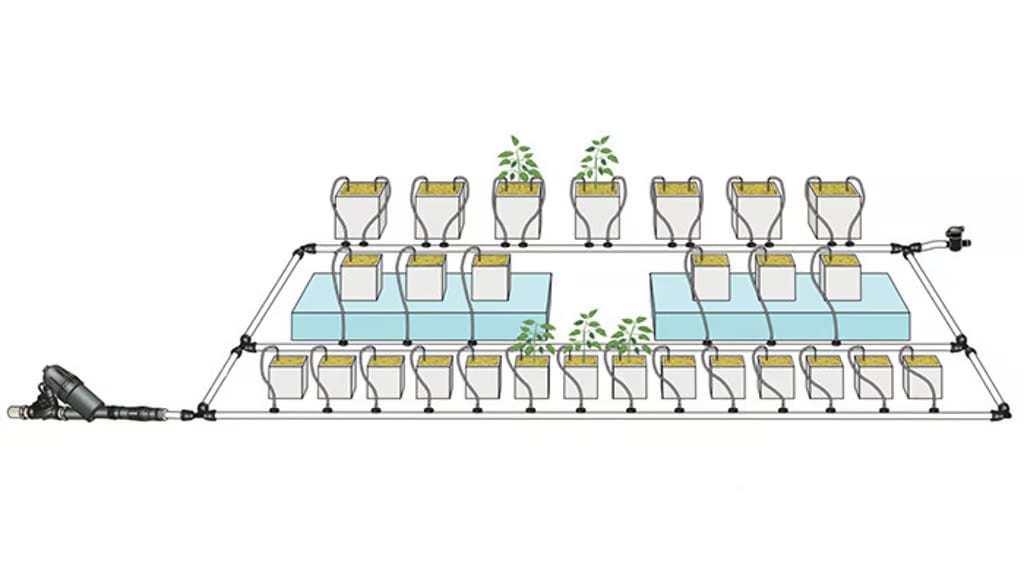
Build You Own Netafim Drip Irrigation System
This Netafim Drip Irrigation System Creator will help you get started on building your desired drip system with all of the essential parts that comprise a drip irrigation system.
A Netafim drip irrigation system has both short and long term benefits over other emission devices such as conventional irrigation rotors/sprinklers. From water savings to healthier plants, drip irrigation provides solutions for efficient and effective irrigation even in the most challenging residential and commercial landscapes.
Zone/Table Setup:
1. Mainline Tubing - Bright White Polyethlyene Tubing
Polyethylene Tubing is UV and acid-resistant, made from the highest quality resins available. Together with Netafim's stringent quality controls- every reel of material undergoes a battery of tests and over 30 quality checks before leaving the factory - assuring the highest quality manufacturing standards, delivering the industry's best products. Polyethylene tubing is completely opaque to prevent algae growth and is white in color.
2. Fittings - 17mm TechLock Fittings
The Netafim 17mm Techlock Fittings have barb ends that fit securely on the UV Polyethylene Tubing (.56 Inch ID x .66 Inch OD)) while the techlock threaded caps and compression rings ensure a tight seal. The operating pressure is 0 to 100 psi.
3. Dripper Assemblies - Single Stake | Flat MOD | NetBow
Drip emitters are the core of drip irrigation systems. Drip emitters, also known as drippers, drip water directly to the plant root zone. Drippers slowly deliver water to the soil with less water lost to evaporation, excess heat, runoff, wind, and other environmental factors.
Drip emitters are the most popular water-saving irrigation technique. They are able to deliver a slow, constant supply of water that seeps deep into the root system. Although most drip emitters are installed in the tubing at ground level, some emitters like drip stakes are designed to attach to stakes and held above ground.
Netafim has several choices for drippers depending on the style of drip system you are looking to build.
- Single Stake Drip Assembly: The Netafim Dripper Stake Assembly is ideal for soilless substrates and hydroponic applications because each plant pot or rock wool cube receives an equal and precise amount of water nutrients. Includes drip emitters, tubing, and drip stakes
- Flat MOD: The Flat MOD is a labor-saving drip system for watering potted plants. They can come in both 2-way and 4-way assemblies. Flat MODs do not come with dippers. These much be purchased separately.
- NetBow Irrigation Ring: NetBow is an innovative, user-friendly container irrigation ring with multi-outlet emitters. Featuring Typhoon, our superior clog-resistant emitter for maximum water distribution. Specially designed for irrigating containerized crops.
Zone Control:
4. Filters - Disc Filter | Screen Filter
- Disc filters collect debris along the depth of the discs, not just at the surface like screen filters. The disc helps filtration with calcium buildup. During filtration, the rings are compressed together effectively filtering the water and protecting the system from clogging. Works well as a stand-alone unit or combined to form modular filter batteries.
- Screen Filters are designed with nylon screen and non-corrosive polypropylene body. These filters use a 155 mesh (90 micron) screen to filter debris. Units unscrew easily for access to cleaning and maintenance.
5. Pressure Regulator
Netafim Pressure Regulators are manufactured with non-corrosive, high quality plastic and brass, that withstands all fertilizers and chemicals in common use providing years of trouble-free operation. These will give instant response to variations in pressure assuring that outlet pressure will remain constant regardless of inlet pressure.
6. Control Valve
Netafim Series 80 Nylon Control Valves have the easiest operation and lowest maintenance costs. New and improved manual selector allows for hassle-free internal bleed without manipulating the position of the solenoid. Innovative labyrinth inlet eliminates the need for internal filters, reducing service costs for end users, contractors and Distributors.
- Fast Delivery
- Easy Returns
- Secure Checkout
Share
INFORMATION QUESTIONS
FREQUENTLY ASKED QUESTIONS
What is Hydroponics?
Hydroponics is the science of growing plants without soil. The plants thrive on the nutrient-water solution alone. The growing medium merely acts as a support for the plants and their root systems while the solution passes freely. The growing medium, if any, is totally inert.
What types of plants grow best hydroponically?
Anything can be grown hydroponically, but some plants prove to be more space efficient. Some plants we suggest are tomatoes, sweet peppers, hot chilies, lettuce, spinach, squash, cucumbers, broccoli, beans, snow peas, herbs and flowers of all types.
Can you REALLY get better yields/quicker growth?
Absolutely. The plants, when receiving everything they need, tend to be healthier, faster growing and generally more productive. You can expect 30% faster growth with many crops.
What are the watering cycle timelines hydroponic systems?
Once the reservoir is filled with nutrients, it is time to put your hydro system to work! The ease of hydroponics is automation – automation is achieved by putting the pump on a timer according to your watering needs. The watering cycle depends on growth stage, growing medium and hydroponic system. In an ebb and flow or drip system with rockwool as the medium, seedlings, clones and plants in the early vegetative stage require watering only once a day for 15-30 minutes (twice a day for higher temps). Mature, flowering and fruiting plants require a heavier feed and can be fed once a day for 30 minutes (twice a day for higher temps). Typically soiless mixes and coco fiber can be watered for about 15 minutes twice a day, and can be adjusted for heavier feeding during the flowering and fruiting stage or higher temps. ViaStone, Hydroton, Grow Rocks, and Silicate mediums need to be watered more frequently – a constant drip for drip systems, and about 15-30 minutes every 3 hours for ebb and flow systems and can be adjusted for heavier feeding during the flowering and fruiting stage or higher temps. Aeroponic systems require frequent watering cycles; 30-60 seconds every few minutes or a constant spray.
What do I need to test pH? How do I test pH?
pH has a range from 0 (acidic) – 14 (alkaline), with 7 being neutral. A proper hydroponic pH range is between 5.5 to 6.2 for most hydroponic crops. For specific crop pH, check out our Plant Guide. pH must remain within the proper range for good plant health, disease resistance, and proper nutrient uptake. pH is maintained by adding pH Up and pH Down to the nutrient solution. For more information, see the Testssection of our site.
How will the flavor compare to my outdoor grown, organic produce?
The taste may be even better! This is simply due to the fact that the hydroponically grown plants are getting everything they need, when they need it. Don’t be fooled by “hot house” produce grown commercially. The grower’s primary concern is shipability and storage, not flavor. When you grow your own vegetables at home, you can expect nothing less than excellent results. Plus, hydroponically grown produce has the added benefit of a longer shelf life.