


Netafim
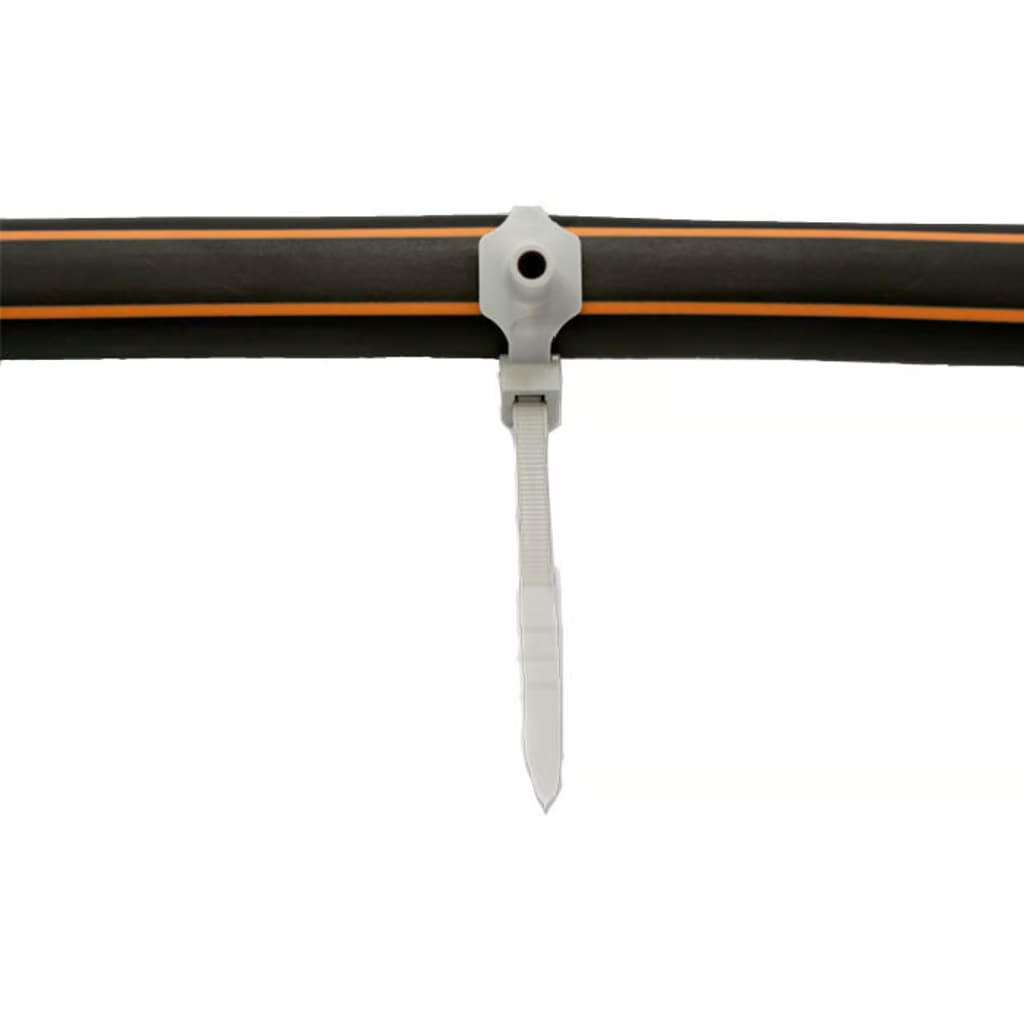
Netafim Dr. Zip Manifold
Netafim Dr. Zip Manifold
Out of stock
Couldn't load pickup availability
Payment options
Dr. Zip Adapter
A reliable dripline-to-Micro-tube/manifold adapter. Enables easy connection of integral dripper to micro-tubes to ensure precise irrigation across diverse applications.
BENEFITS & FEATURES
-
Easy installation
Easy to install & connect an integral dripper to micro-tube/manifold
-
Reliable sealing
Sufficiently flexible to wrap any deformed pipe shape, allowing reliable sealing
-
Prevents drop migration
Can also be used as prevntion of drop migration (draining) along laterals
Specifications & Recommendations
- Compatible with heavy-walled driplines (HWD)
- UniRam™, DripNet PC™ and Aries™ HWD
- Wall thickness: ≥ 1.0mm
- Diameter: 12mm-20mm
- Total length: 110.8mm
- Note: unsuitable for Aries™ driplines with flow rates of ≥ 4.0 l/h)
- Chemical and UV-resistant for extended durability
- Colored light Gray
- Fast Delivery
- Easy Returns
- Secure Checkout
Share
INFORMATION QUESTIONS
FREQUENTLY ASKED QUESTIONS
What is Hydroponics?
Hydroponics is the science of growing plants without soil. The plants thrive on the nutrient-water solution alone. The growing medium merely acts as a support for the plants and their root systems while the solution passes freely. The growing medium, if any, is totally inert.
What types of plants grow best hydroponically?
Anything can be grown hydroponically, but some plants prove to be more space efficient. Some plants we suggest are tomatoes, sweet peppers, hot chilies, lettuce, spinach, squash, cucumbers, broccoli, beans, snow peas, herbs and flowers of all types.
Can you REALLY get better yields/quicker growth?
Absolutely. The plants, when receiving everything they need, tend to be healthier, faster growing and generally more productive. You can expect 30% faster growth with many crops.
What are the watering cycle timelines hydroponic systems?
Once the reservoir is filled with nutrients, it is time to put your hydro system to work! The ease of hydroponics is automation – automation is achieved by putting the pump on a timer according to your watering needs. The watering cycle depends on growth stage, growing medium and hydroponic system. In an ebb and flow or drip system with rockwool as the medium, seedlings, clones and plants in the early vegetative stage require watering only once a day for 15-30 minutes (twice a day for higher temps). Mature, flowering and fruiting plants require a heavier feed and can be fed once a day for 30 minutes (twice a day for higher temps). Typically soiless mixes and coco fiber can be watered for about 15 minutes twice a day, and can be adjusted for heavier feeding during the flowering and fruiting stage or higher temps. ViaStone, Hydroton, Grow Rocks, and Silicate mediums need to be watered more frequently – a constant drip for drip systems, and about 15-30 minutes every 3 hours for ebb and flow systems and can be adjusted for heavier feeding during the flowering and fruiting stage or higher temps. Aeroponic systems require frequent watering cycles; 30-60 seconds every few minutes or a constant spray.
What do I need to test pH? How do I test pH?
pH has a range from 0 (acidic) – 14 (alkaline), with 7 being neutral. A proper hydroponic pH range is between 5.5 to 6.2 for most hydroponic crops. For specific crop pH, check out our Plant Guide. pH must remain within the proper range for good plant health, disease resistance, and proper nutrient uptake. pH is maintained by adding pH Up and pH Down to the nutrient solution. For more information, see the Testssection of our site.
How will the flavor compare to my outdoor grown, organic produce?
The taste may be even better! This is simply due to the fact that the hydroponically grown plants are getting everything they need, when they need it. Don’t be fooled by “hot house” produce grown commercially. The grower’s primary concern is shipability and storage, not flavor. When you grow your own vegetables at home, you can expect nothing less than excellent results. Plus, hydroponically grown produce has the added benefit of a longer shelf life.