

Fhose
Fohse Pisces 7 LED Grow Light
Fohse Pisces 7 LED Grow Light
Out of stock
Couldn't load pickup availability
Payment options
Pisces by Fohse | 700 Watt Home Garden LED Grow Light
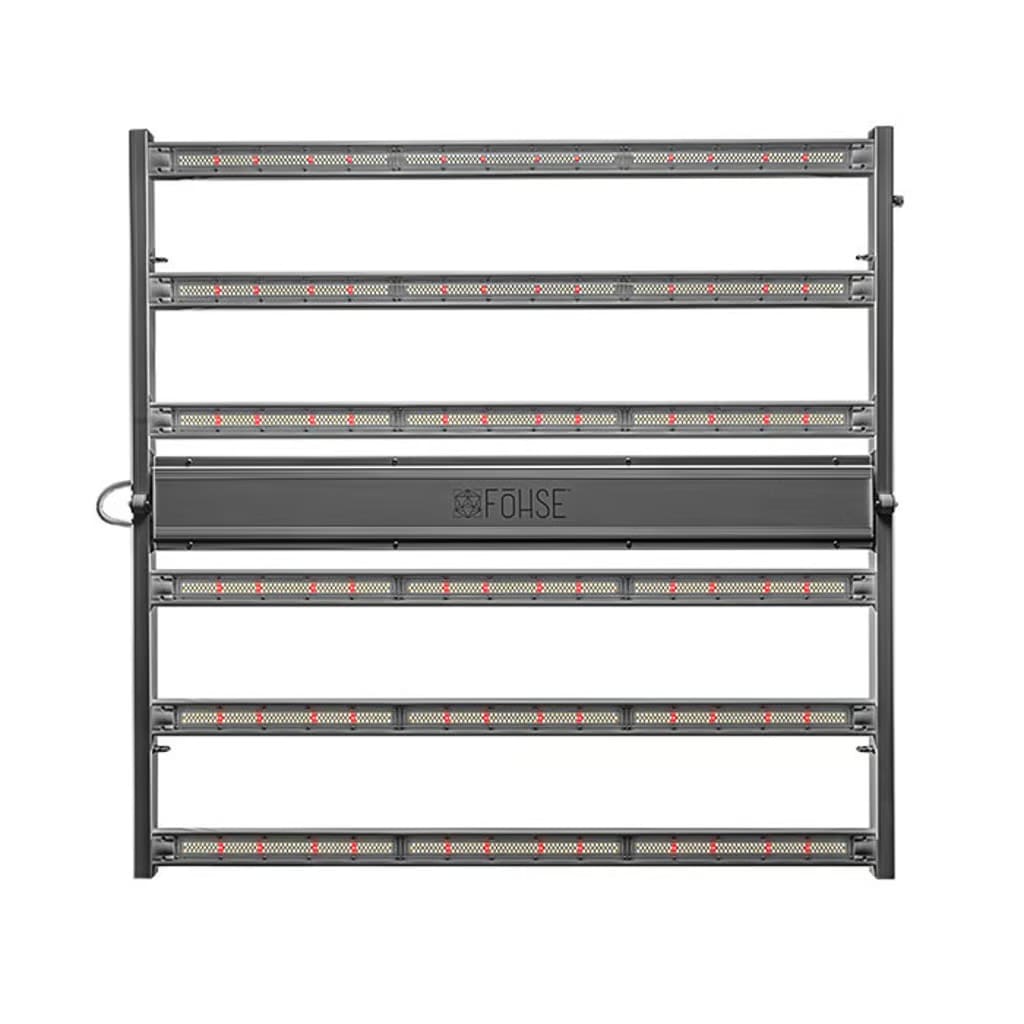
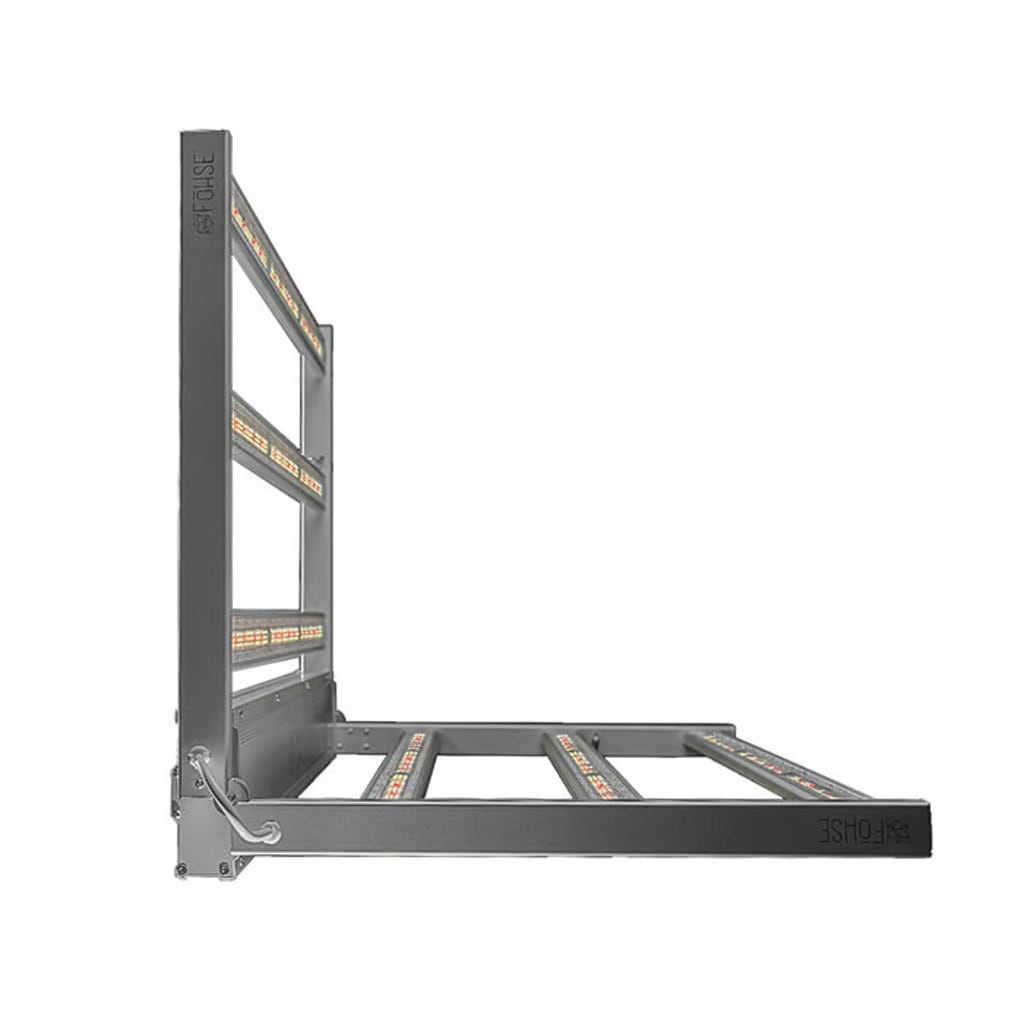
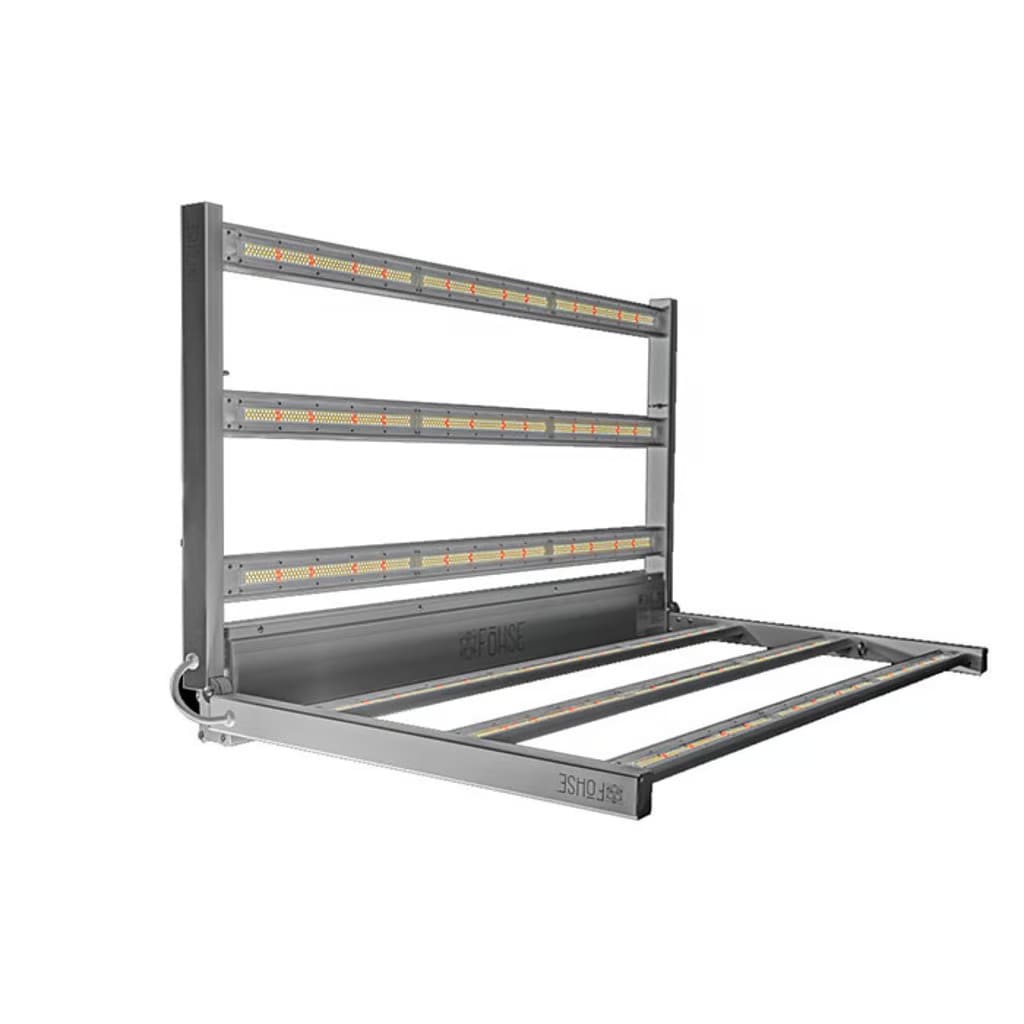
The Pisces innovative design is perfect for hobbyists and home gardeners alike. This fixture can be folded and stored with ease. Its compact size and light weight make it optimal for hanging in grow tents. This is a Fohse light stripped down to its bare necessities. Now. growers won't have to break the bank to get a long-lasting light.
This fixture series comes in 700W and 900W options offering potential photosynthetic photon flux (PPF) values of 2494 umol. At these light intensities, the Pisces provides the power needed to push any cultivar to its potential for yield and quality. It also serves other light-demanding crops such as peppers and tomatoes well.
Pisces 7 Light Output
- PPF: up to 1,899 µmol/s.
- PAR: 2.61 - 2.71 µmol/J
Features & Benefits of the Pisces Series
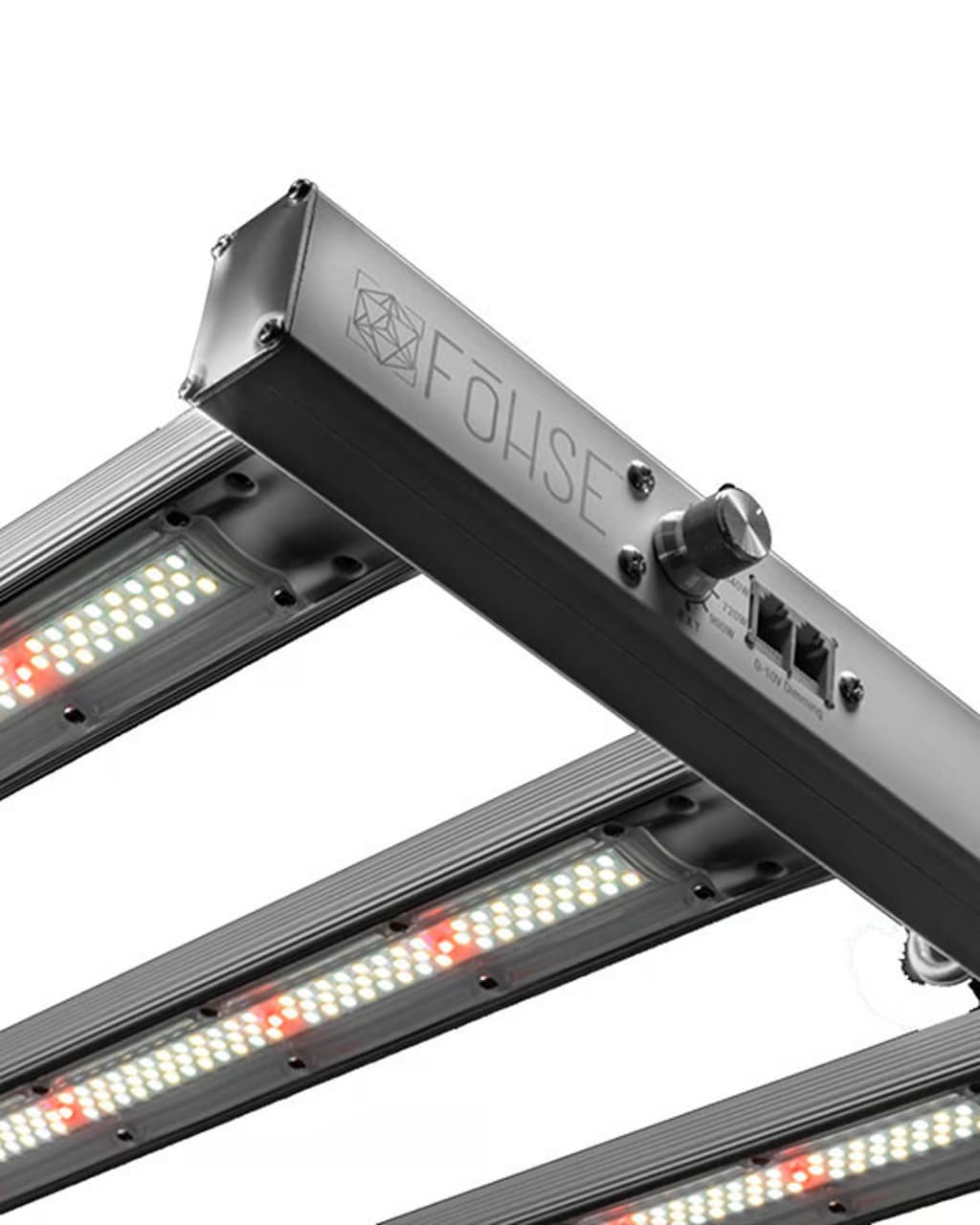
- Built-in communication ports for daisy-chaining
- Polycarbonate lensing technology
- Can be used for both veg and flower
- Can be folded and stored with ease
- Aluminum-grade heat sinks
- Features a universal socket, allowing for customized integration with third-party controllers.
- IP65 Rated
Form Factor & Adaptability Advantages
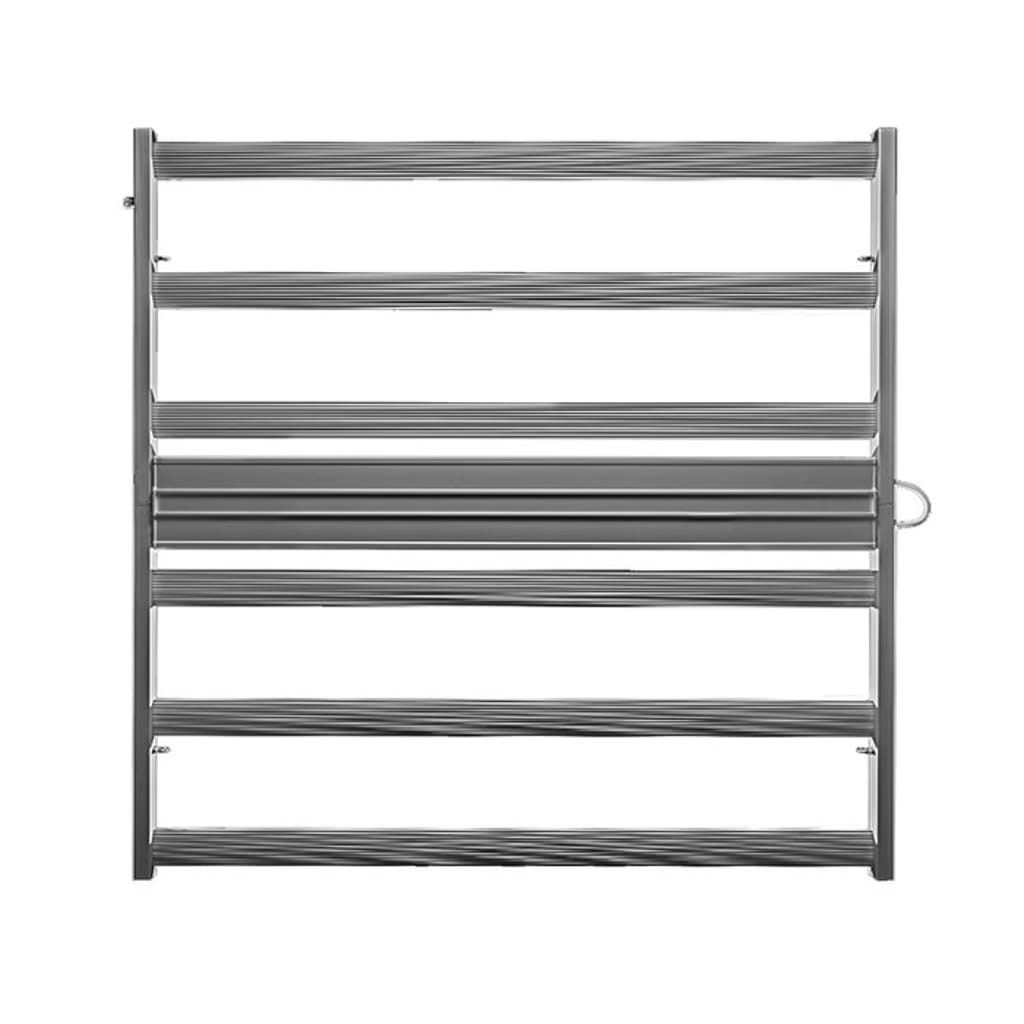
The dimensions of the Pisces are 42” x 43.5” x 2”, making this fixture ideal for 5 x 5 footprints. This fixture is best utilized in 5 x 5 tents, vertical rack systems, or low-bay growing environments. When you need to move the grow, the Pisces folds in half, allowing for easy transportation and storage.
Trusted Technology Built To Last
The lifetime of each grow light is one of the most important factors when determining the right fixture for your grow space. Under HID systems, bulbs must be regularly changed. Lesser-quality LEDs also demand regular replacements as diodes burn out.
The Pisces is L90 certified at 40,000 hours or 4.6 years. This means that your Pisces will still retain 90% of the original luminous flux after this period of time. Its also has an IP 65 rating, verifying its safety to operate in wet and humid environments. This rating ensures complete protection from dust, oil, and other non-corrosive materials. It also ensures protection from water projected by a nozzle against the fixture from any direction.
Spectrum Matters
Light spectrum is an extremely important aspect of growing plants. Studies have shown that different parts of the light spectrum can alter plant morphology, yield, and potency. However, many fixed-spectrum lighting options aren’t ideal for growing from start to finish. When we designed the Pisces, we wanted growers to have a turnkey spectral setting to ensure success. This fixture can be used for both veg and flower, providing lighting needs during the entire cycle.
Plants need the full range of PAR, and not just yellow or blue light, because different colors of light have benefits that should not be overlooked. Colors of light that are missing in HID set-ups have been shown to increase the presence of secondary photopigments, supplying the plant with more photons, and improving its aroma profile and potency. Green light in particular is excellent at penetrating plant canopy to deliver more light to more of the plant, and it is often the color that is left out of older lighting systems. That’s why all Fohse lights have full spectrum output. To deliver the most amount of PAR photons to your plants.
- Fast Delivery
- Easy Returns
- Secure Checkout
Share
INFORMATION QUESTIONS
FREQUENTLY ASKED QUESTIONS
What is Hydroponics?
Hydroponics is the science of growing plants without soil. The plants thrive on the nutrient-water solution alone. The growing medium merely acts as a support for the plants and their root systems while the solution passes freely. The growing medium, if any, is totally inert.
What types of plants grow best hydroponically?
Anything can be grown hydroponically, but some plants prove to be more space efficient. Some plants we suggest are tomatoes, sweet peppers, hot chilies, lettuce, spinach, squash, cucumbers, broccoli, beans, snow peas, herbs and flowers of all types.
Can you REALLY get better yields/quicker growth?
Absolutely. The plants, when receiving everything they need, tend to be healthier, faster growing and generally more productive. You can expect 30% faster growth with many crops.
What are the watering cycle timelines hydroponic systems?
Once the reservoir is filled with nutrients, it is time to put your hydro system to work! The ease of hydroponics is automation – automation is achieved by putting the pump on a timer according to your watering needs. The watering cycle depends on growth stage, growing medium and hydroponic system. In an ebb and flow or drip system with rockwool as the medium, seedlings, clones and plants in the early vegetative stage require watering only once a day for 15-30 minutes (twice a day for higher temps). Mature, flowering and fruiting plants require a heavier feed and can be fed once a day for 30 minutes (twice a day for higher temps). Typically soiless mixes and coco fiber can be watered for about 15 minutes twice a day, and can be adjusted for heavier feeding during the flowering and fruiting stage or higher temps. ViaStone, Hydroton, Grow Rocks, and Silicate mediums need to be watered more frequently – a constant drip for drip systems, and about 15-30 minutes every 3 hours for ebb and flow systems and can be adjusted for heavier feeding during the flowering and fruiting stage or higher temps. Aeroponic systems require frequent watering cycles; 30-60 seconds every few minutes or a constant spray.
What do I need to test pH? How do I test pH?
pH has a range from 0 (acidic) – 14 (alkaline), with 7 being neutral. A proper hydroponic pH range is between 5.5 to 6.2 for most hydroponic crops. For specific crop pH, check out our Plant Guide. pH must remain within the proper range for good plant health, disease resistance, and proper nutrient uptake. pH is maintained by adding pH Up and pH Down to the nutrient solution. For more information, see the Testssection of our site.
How will the flavor compare to my outdoor grown, organic produce?
The taste may be even better! This is simply due to the fact that the hydroponically grown plants are getting everything they need, when they need it. Don’t be fooled by “hot house” produce grown commercially. The grower’s primary concern is shipability and storage, not flavor. When you grow your own vegetables at home, you can expect nothing less than excellent results. Plus, hydroponically grown produce has the added benefit of a longer shelf life.